

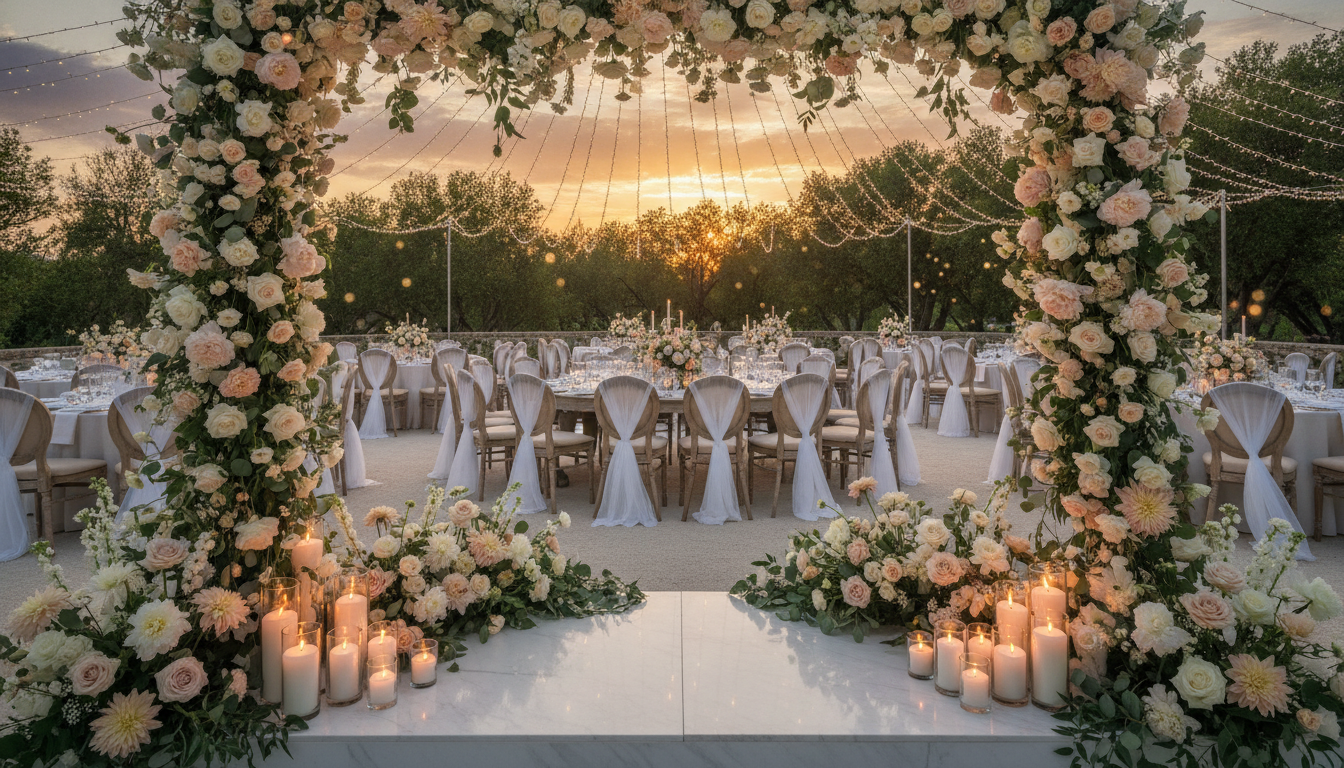
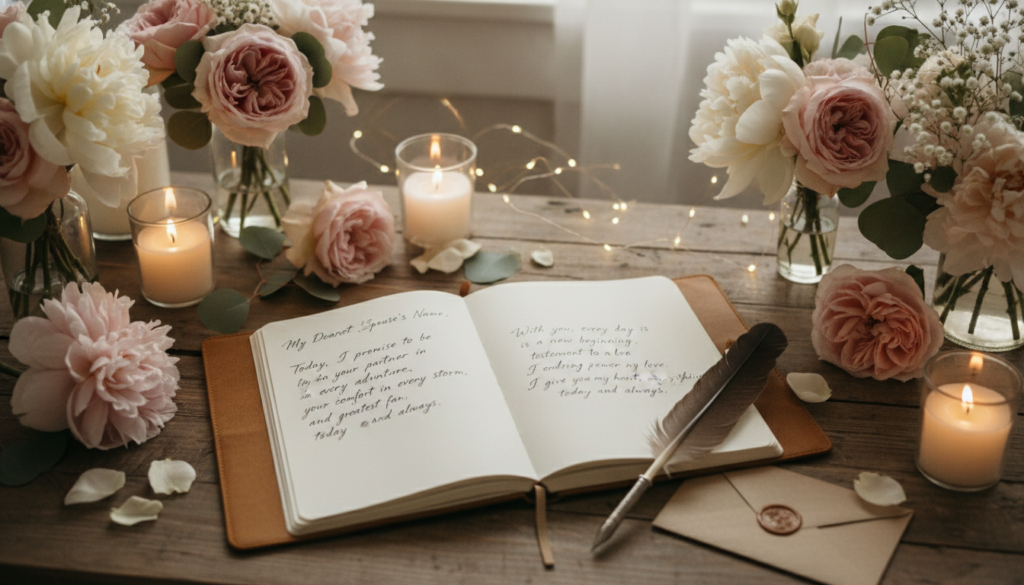
Did you know nearly 75% of adults feel anxious when speaking in front of people? Standing before your loved ones to make promises can be scary. Yet, it’s the most memorable moment of your wedding.
You don’t have to be a poet to write heartfelt vows. By following a simple guide, you can turn nervousness into genuine confidence.
This guide makes it easy to write vows that show your special bond. We’ll cover practical steps and offer inspiring wedding vow examples.
With these, you’ll be ready to share your promises with grace and sincerity.
Key Takeaways
- Understand the psychological impact of public speaking during ceremonies.
- Learn a structured seven-step framework for drafting personal promises.
- Discover how to balance emotional depth with brevity.
- Access diverse templates to spark your own creative inspiration.
- Gain practical tips to manage nerves and speak with confidence.
Understanding the Significance of Your Wedding Vows
Your wedding vows are the heart of your ceremony, filling it with deep meaning. Many couples focus on the details of the day. But, learning how to write wedding vows lets you focus on the promises that shape your future. These words are a public declaration of your love and commitment.
Why Vows Matter in Modern Ceremonies
In today’s weddings, couples often choose personal vows over traditional ones. Personalized wedding vows are popular because they celebrate your unique bond. By using your own words, you make the ceremony special for you and your guests.
There are many reasons why this approach is loved in modern weddings:
- It highlights the unique journey you and your partner have shared.
- It creates an authentic atmosphere that feels true to your personalities.
- It invites your loved ones to witness the genuine depth of your connection.
Setting the Right Tone for Your Partnership
Your vows are a blueprint for your life together. Reflecting on your shared values sets a sincere and intentional tone. Whether you’re funny, poetic, or serious, your message should reflect your relationship.
Emphasizing sincerity in your message helps you focus on what truly matters. You can forget about how you sound and focus on your promises. This ensures your vows are a lasting testament to your partnership.
Step 1: Reflect on Your Relationship and Core Values
Starting a beautiful ceremony begins with quiet reflection. Think about what makes your partnership special. This first step of vow writing tips helps you find the stories and values that define your bond.
By slowing down and thinking about your history, you ensure your words are authentic. This is the secret to creating wedding promises that deeply resonate with you and your partner.
Brainstorming Shared Memories
Begin by listing moments that highlight your growth as a couple. You don’t need to write full paragraphs yet. Just jotting down bullet points will help you organize your thoughts. Use these prompts to get started:
- The exact moment you realized this person was the one.
- A challenge you overcame together that made your bond stronger.
- Small, everyday habits that bring you joy or comfort.
- Shared adventures or trips that represent your spirit of exploration.
Focusing on these memories makes writing vows for ceremony easier. Anchoring your words in real experiences makes your message heartfelt and unique to your relationship.
Identifying Your Promises for the Future
After gathering your memories, focus on the future. Think about the core values that will guide your life together. These values are the backbone for creating wedding promises that are both realistic and inspiring.
Ask yourself what you truly want to offer your partner in the years to come. Are you promising to be their biggest cheerleader, or perhaps their calm harbor during life’s storms? Identifying these intentions now makes writing vows for ceremony simpler.
Remember, these vow writing tips are meant to guide you, not restrict you. Your goal is to express your genuine commitment in a way that feels true to your personality. When you speak from a place of reflection, your words will undoubtedly touch the hearts of everyone in the room.
Step 2: How to Write Wedding Vows Using a Structured Outline
Organizing your thoughts into a clear framework ensures your vows are heartfelt and easy to follow. A roadmap helps you avoid rambling and keeps your message focused. Many couples find that using vow templates is a great starting point for their creative process.
The Classic Three-Part Structure
The most effective way to organize your speech is to break it into three distinct sections. This method keeps your delivery concise and impactful for your audience. By following standard wedding vow examples, you can ensure your message flows logically from start to finish.
“A successful marriage requires falling in love many times, always with the same person.”
Opening with a Personal Greeting
Start your vows by addressing your partner directly. A warm, personal greeting sets the tone for the rest of your speech. You might mention how you felt when you first met or share a brief, sweet sentiment about your journey together.
The Middle: Promises and Commitments
This section serves as the heart of your ceremony. Here, you should list specific, meaningful promises that reflect your shared values. Focus on actionable commitments that show how you intend to support your partner through the years ahead.
- Promise to listen with patience and empathy.
- Commit to growing together through life’s challenges.
- Vow to keep laughter and joy at the center of your home.
Closing with a Final Declaration of Love
Your closing should be a powerful, final statement that seals your promises. Keep this part brief but deeply sincere to leave a lasting impression on your guests. It is the perfect moment to reaffirm your excitement for the future you are building together.
Step 3: Drafting Your First Version Without Pressure
Writing your wedding vows is a personal journey. It starts with letting go of your inner critic. When you begin, you might feel pressure to write something grand. But the best vow writing tips tell you to just write your thoughts first, without worrying about perfection.
Overcoming Writer’s Block
If you’re stuck, try free-writing. Set a timer for ten minutes and write down all your memories, promises, and feelings. Don’t worry about grammar or structure. This helps you get past the barriers that stop you from writing heartfelt vows.
Don’t worry if your first sentences seem messy. The goal is to capture the essence of your relationship, not to write a masterpiece. You can refine your ideas later, but you can’t edit a blank page.
Focusing on Authenticity Over Perfection
Your partner wants to hear from you, not see a performance. They value your genuine voice above all else. So, be honest and speak from the heart. Your words will be more powerful and sincere.
Your love story is unique, and your vows should show that. By sharing your true feelings, you create a deep connection. Use the table below to understand how to focus on authenticity during the drafting process.
| Focus Area | Perfectionist Approach | Authentic Approach |
|---|---|---|
| Language | Using complex, formal vocabulary | Using your natural, everyday voice |
| Structure | Obsessing over perfect rhythm | Prioritizing the flow of your emotions |
| Content | Trying to impress the audience | Speaking directly to your partner |
| Drafting | Editing every sentence immediately | Writing freely to capture raw thoughts |
Embracing authenticity is key to writing heartfelt vows that last. Keep these vow writing tips in mind. Trust that your sincerity is the most important part of your ceremony.
Step 4: Adding Personal Touches and Meaningful Anecdotes
Your wedding ceremony will be unforgettable with personal touches. Personalized wedding vows share your unique story with guests. These moments make the ceremony deeply moving for everyone.
Incorporating Inside Jokes and Shared Interests
Highlight the quirks that make your partnership special. Share a hobby or a funny habit you both enjoy. These details warm up your words.
- Mention a hobby you enjoy doing together on weekends.
- Reference a lighthearted inside joke that always makes you laugh.
- Highlight a specific trait in your partner that you admire daily.
Balancing Humor with Heartfelt Emotion
The secret to writing heartfelt vows is balancing humor and sincerity. Humor breaks tension and keeps guests engaged. Emotional depth makes your promises real.
Follow a joke with a sincere reflection. This transition lets your audience laugh and then feel the gravity of your commitment.
Tips for Keeping Anecdotes Concise
Keep your stories brief for a clear message. Focus on the emotional core of the memory. If you’re rambling, ask if the story supports your promise.
Short anecdotes make your personalized wedding vows the day’s highlight.
Step 5: Refining and Editing for Flow and Tone
Turning a simple draft into a heartfelt masterpiece needs careful attention. Once you have your initial thoughts down, focus on making your words sound natural and rhythmic. This is key when you’ll be speaking them aloud.
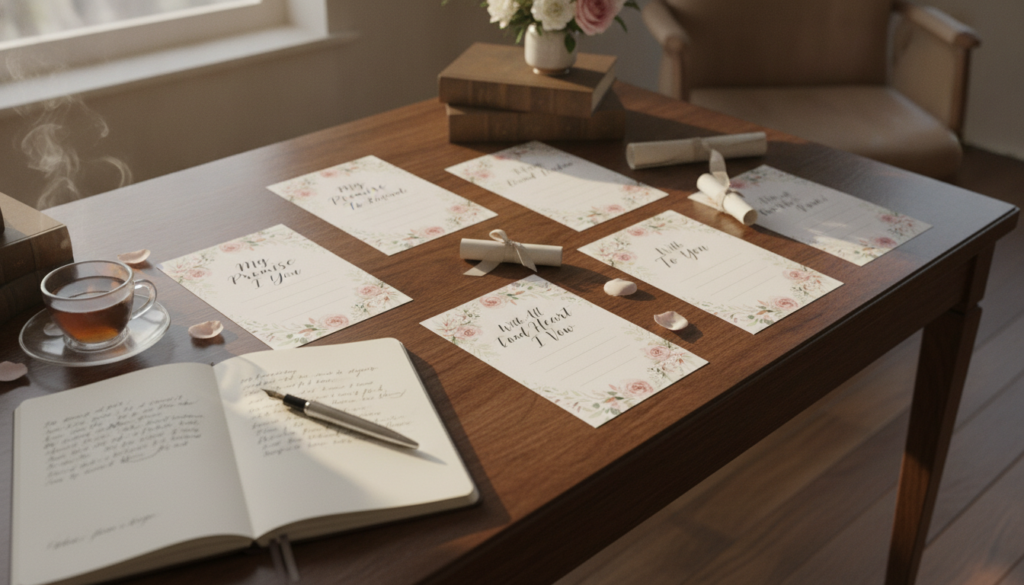
Some phrases might look great on screen but feel awkward when spoken. Using vow templates can help organize your thoughts. It keeps your unique voice while providing structure.
Reading Your Vows Aloud
Reading your vows aloud is a critical step. It helps you spot awkward phrasing, repetitive words, or overly long sentences. These can make your vows hard to deliver smoothly.
“The best vows are those that sound like a conversation between two people who truly know and love each other.”
If you find a sentence hard to say, rewrite it. Focus on the rhythm of your speech. This ensures your message is clear and impactful during the ceremony.
Checking for Consistent Length and Pacing
When you and your partner share vows, balance is key. You want your vows to be roughly the same length. This way, neither person feels rushed or speaks too long.
If you’re struggling with structure, look at vow templates. They can show you how to balance your promises. This helps you adjust your pacing and connect with your partner better.
- Keep your sentences short and punchy.
- Use pauses to let emotional moments sink in.
- Ensure your tone remains consistent from start to finish.
Seeking Feedback from a Trusted Friend
At times, we’re too close to our writing to see its flaws. Getting feedback from a trusted friend can offer a fresh perspective. They can help you see your tone and delivery more clearly.
Ask your friend if the vows sound like you. A good editor will help you cut unnecessary words. They’ll also highlight the most meaningful parts of your commitment.
Step 6: Practicing Your Delivery for the Big Day
Delivering your promises with grace is more than just good writing. It’s about practicing with purpose. The process of writing vows for ceremony is key, but how you present them is what truly brings them to life. By rehearsing, you turn possible anxiety into a moment of real connection.
Managing Nerves and Public Speaking
Feeling a rush of adrenaline at the altar is normal. To handle these nerves, practice your speech in front of a mirror or a close friend. Deep, steady breathing before starting can calm your heart and steady your voice.
Focus on the meaning of your words, not the audience. Seeing the ceremony as a private talk with your partner can ease the pressure. Confidence comes from knowing your script well.
Using Cue Cards or a Keepsake Book
You don’t have to memorize your vows perfectly to make them meaningful. Cue cards or a keepsake book can help if you forget a line. These tools let you focus on your feelings, not forgetting words.
Ensure your notes are large and clear for easy reading. A keepsake book also becomes a sentimental memento to treasure. Keep your notes simple to find your spot easily.
Body Language and Eye Contact Tips
Your body language is important during the ceremony. Stand up straight with relaxed shoulders, and aim for soft, steady eye contact with your partner. These vows for bride and groom are for each other, so avoid looking at the crowd.
If eye contact feels too much, look at your partner’s forehead or nose bridge. This trick helps you stay connected without feeling too exposed. Remember, your real emotion is what your guests want to see, so be open and present.
Step 7: Finalizing Your Vows and Preparing for the Ceremony
Now that you have a draft, focus on the final touches for a smooth ceremony. The journey of creating wedding promises is almost over. These last steps will make your vows shine.
Coordinating with Your Officiant
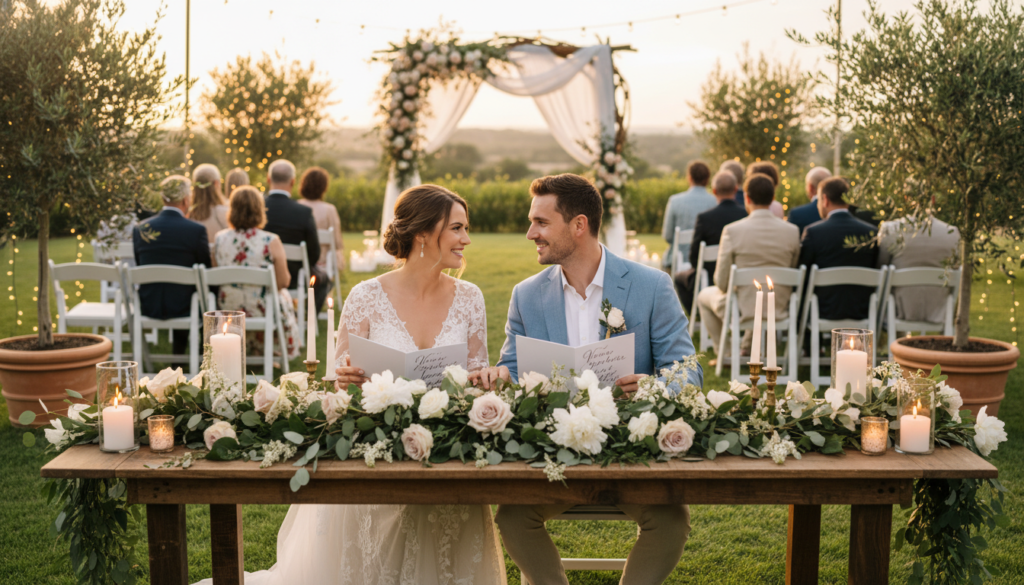
Your officiant is key to a smooth ceremony. Have a quick meeting to check how your vows fit into the ceremony.
Find out if they want you to hold a copy or if they’ll use a podium. Clear communication with your officiant avoids any last-minute hitches.
Ensuring Your Partner is on the Same Page
Talk about the length and tone of your vows with your future spouse. You can surprise them with the details, but agree on a time frame. This way, the vows for bride and groom will feel balanced.
Make sure your vows are about the same length. A big difference in length can throw off the ceremony’s emotional flow.
Final Touches Before the Walk Down the Aisle
Do some breathing exercises to calm your nerves before the ceremony. Physical preparation is as important as your words.
Make sure your vows are on nice paper or in a beautiful book. Having a tangible reminder of your promises can help you stay focused at the altar.
- Keep a copy of your vows in a safe, accessible place.
- Practice reading your words aloud at least three times.
- Trust in the preparation you have done to guide you through the moment.
When to Send Wedding Invitations: The Complete Timeline Guide
Keeping your guests informed is key to a successful wedding. A clear schedule helps them plan their travel early. Proper planning ensures your special day is shared with loved ones.
The Save-the-Date Phase
Send save-the-date cards 6 to 8 months before your wedding. This is vital for destination weddings or busy holiday seasons. It helps guests plan their work and travel.
Sending Formal Invitations
Mail formal invitations 6 to 8 weeks before your wedding. These include all the important details like venue and ceremony time. This timing gives guests enough notice and keeps the event fresh.
Managing RSVPs and Final Headcounts
Tracking RSVPs is key in the final weeks. Set a clear RSVP deadline for an accurate final headcount. This avoids stress and ensures every guest is there.
Conclusion
Your wedding day is the start of a beautiful chapter in your life. Writing your own vows lets you honor your unique bond with sincerity and grace.
These seven steps guide you in expressing your deepest feelings. Now, you have the tools to create a message that touches your partner and guests.
Focus on the truth of your promises, not perfect words. Authenticity makes the moment unforgettable, staying in your hearts forever.
Use the timeline to manage invitations and guest lists easily. Being organized lets you enjoy planning without stress.
Your commitment is worth celebrating, showing your shared values. Embrace this journey with confidence as you prepare for your walk down the aisle.
What part of your vows are you most excited to share with your partner? Share your thoughts or reach out to us for more inspiration for your big day.