Did you know the average American couple spends over $30,000 on their wedding? This big investment can cause a lot of stress if you don’t have a clear plan.
Planning your wedding is an exciting journey. It needs careful planning to make your dream come true. A professional wedding budget calculator helps you plan your spending and focus on what’s important.
You should enjoy your engagement without worrying about money. A good wedding budget planner helps you manage your finances from the start. It turns complicated numbers into a simple plan for your future.
Key Takeaways
- Understand the true cost of your celebration early in the process.
- Use digital tools to track expenses and avoid overspending.
- Prioritize your spending based on what brings you the most joy.
- Reduce financial anxiety to focus on your upcoming marriage.
- Create a realistic roadmap that aligns with your personal savings.
Setting Your Total Wedding Budget
Before you start picking flowers or cake flavors, you need a solid financial plan. Planning your wedding is exciting, but you must know your budget. This way, you can enjoy your big day without financial worries.
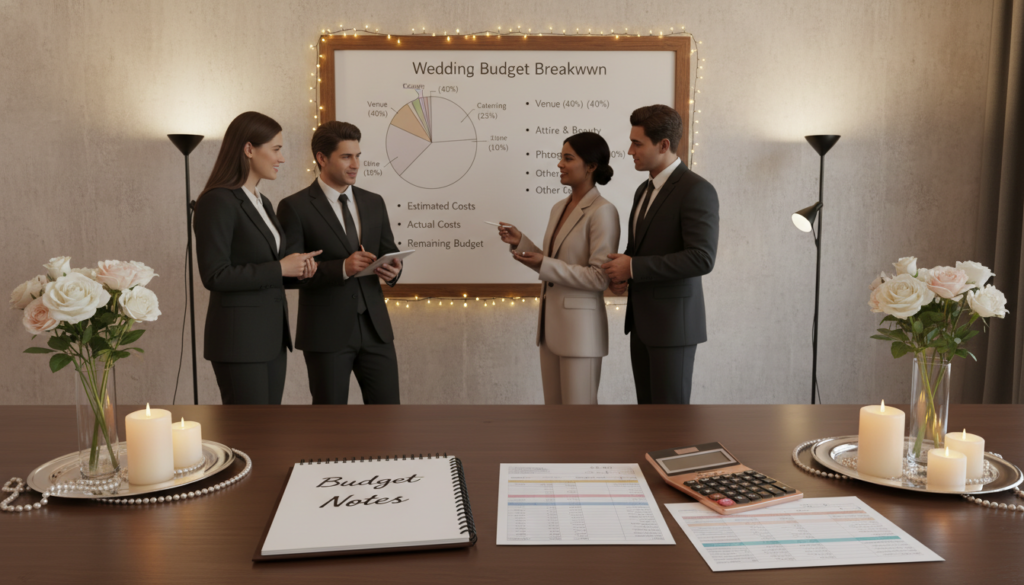
Determining Your Financial Comfort Zone
First, research what things cost in your area. A wedding cost estimator can show you average prices for venues, food, and photos. This helps avoid surprises and sets realistic goals for your wedding.
After getting this info, use a wedding finance calculator to see if your savings match your dreams. It’s important to be honest about what you can afford. Staying within your comfort zone helps your marriage start on a strong financial base.
Discussing Contributions from Family
Talking about money with family can be tricky, but it’s necessary. If family is offering help, talk openly about what they can contribute. Being clear about this early on helps avoid confusion and helps you set your wedding finance calculator goals.
When discussing these contributions, make sure to know if it’s a gift or if there are expectations. Having this in writing makes planning easier and less stressful. Use the table below to see how your budget might be split among different areas.
| Category | Percentage of Budget | Priority Level |
|---|---|---|
| Venue & Catering | 40% – 50% | High |
| Photography & Video | 10% – 15% | Medium |
| Attire & Beauty | 5% – 10% | Low |
| Decor & Flowers | 10% – 15% | Medium |
By using a wedding cost estimator and talking clearly, you can plan your wedding with confidence. Remember, your wedding is about your commitment, not just the cost.
Using Our Free Wedding Budget Calculator
Planning your wedding finances doesn’t have to be hard. Our free wedding budget calculator makes it easy. It helps you keep your money organized in one place.
How to Access and Navigate the Tool
Starting with our budget planning tool is easy. Just log in and you’ll see your total funds and balance right away.
The tool lets you track every part of your wedding. From venue costs to flowers. You can switch tabs to update your plans as you go.
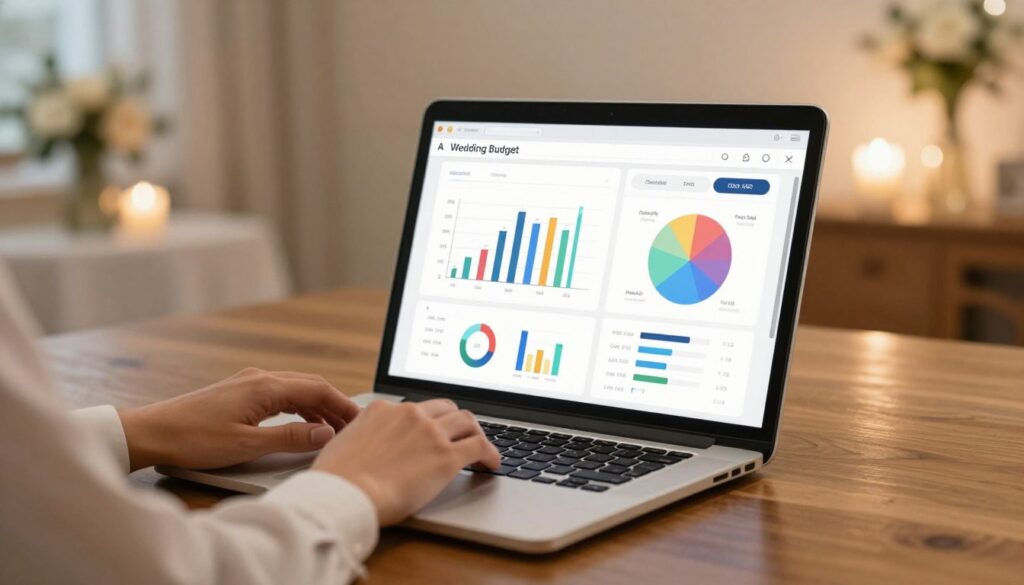
- Real-time updates on your spending.
- Clear view of your money left.
- Easy to compare costs and quotes.
Inputting Your Estimated Expenses
Being accurate is key with a budget calculator for wedding. Start by putting in your savings and contributions. This sets your starting point.
When you talk to vendors, add their quotes to the tool. It will update your balance. This way, you always know your financial status.
Keep updating your numbers with our budget calculator for wedding. It guides you all the way to your big day. This wedding budget tool helps you make smart choices without worrying about spending too much.
Prioritizing Your Wedding Day Must-Haves
Knowing what’s most important can make your wedding day stress-free and meaningful. When you start planning, it’s easy to get lost in all the choices and what others expect. Focus on what truly matters to you to create a day that feels real and deeply personal.
Identifying Your Non-Negotiables
Every couple has key elements that make up their dream wedding. Maybe you’ve always wanted a certain venue or top-notch photography to capture your day. These are your non-negotiables.
Take time to talk with your partner and list your top three must-haves. Once you know these, you can save money for them. Everything else can be adjusted without losing the heart of your wedding.
Allocating Funds Based on Personal Values
How you spend money should reflect your values, not just trends. If you love great food and drinks, spend more on catering. If dancing is key, invest in a top band.
A good budget planning tool helps you see where your money goes. This way, you avoid spending too much on small things that don’t make you happy. Remember, your wedding is about celebrating your love, not impressing others.
The 50-30-20 Rule for Wedding Planning
The 50-30-20 rule is a useful budget planning tool. It suggests spending 50% on your top priorities like venue and food. Then, use 30% for things like clothes, decor, and entertainment.
Save the last 20% for small details and unexpected costs. This way, your most important wishes are covered. It gives you a clear roadmap for your budget, helping you stay organized and confident as you plan your wedding.
Breaking Down Major Wedding Expenses
Understanding your wedding budget is key to a stress-free celebration. Planning can feel overwhelming with so many vendors. A wedding cost estimator helps you see where your money goes.
Venue and Catering Costs
Venue rentals and catering take up most of your budget. Many venues require their catering team. Always remember to ask about extra charges and taxes.
Review your contract for hidden fees. A good wedding cost estimator helps you plan for these. This way, you stay in control of your budget.
Photography and Videography Investments
Photos and videos are your wedding’s lasting memory. They are a big investment but essential. Choose professionals whose style fits your vision.
Think of these services as a long-term investment. You’re paying for their expertise and the chance to capture your story. Quality work prevents regret of missing moments.
Attire and Beauty Expenditures
Finding the right balance between style and budget is a challenge. You don’t need to spend a lot to look confident and beautiful. Look for sales, rentals, or classic styles that save money.
Beauty costs, like hair and makeup, are also important. Many stylists offer packages to save money. Watching these costs helps keep your budget healthy.
| Expense Category | Typical Budget % | Primary Focus |
|---|---|---|
| Venue & Catering | 40% – 50% | Guest Experience |
| Photography & Video | 10% – 15% | Memory Preservation |
| Attire & Beauty | 5% – 10% | Personal Presentation |
| Miscellaneous | 25% – 45% | Decor, Music, & Buffer |
Managing Hidden Costs and Contingency Funds
Many couples forget that the final price tag on a contract is rarely the total amount they will pay. When you start using a budget calculator for wedding planning, it’s easy to focus on big-ticket items like the venue or catering. But small expenses can add up quickly and affect your financial peace of mind.
Accounting for Taxes, Gratuities, and Service Fees
Service fees and taxes are often hidden in vendor contracts. These charges can add 20% to 30% to your initial quote. Always ask your vendors for an “all-in” price before signing any agreements.
- Service Charges: Often mandatory and non-negotiable fees.
- Gratuities: Tips for staff that may or may not be included.
- Sales Tax: Varies by location and can apply to the total bill.
Why You Need a Buffer for Unexpected Expenses
Even with the best planning, life happens. You might face last-minute shipping costs for attire, extra hours for your photographer, or weather-related rentals. A reliable wedding finance calculator helps you see these gaps before they become problems.
“A budget is telling your money where to go instead of wondering where it went.”
Calculating Your Emergency Fund Percentage
To protect your finances, set aside a specific buffer. Most experts suggest adding a 5% to 10% contingency fund to your total budget. This safety net ensures you can handle surprises without cutting corners on your vision.
| Budget Category | Estimated Cost | Buffer (10%) |
|---|---|---|
| Venue & Catering | $15,000 | $1,500 |
| Photography | $3,000 | $300 |
| Attire & Beauty | $2,000 | $200 |
By adding this buffer to your wedding finance calculator, you gain control over your spending. Using a budget calculator for wedding expenses is not just about tracking what you spend. It’s about preparing for the unexpected with confidence.
Tracking Your Spending with a Wedding Budget Spreadsheet
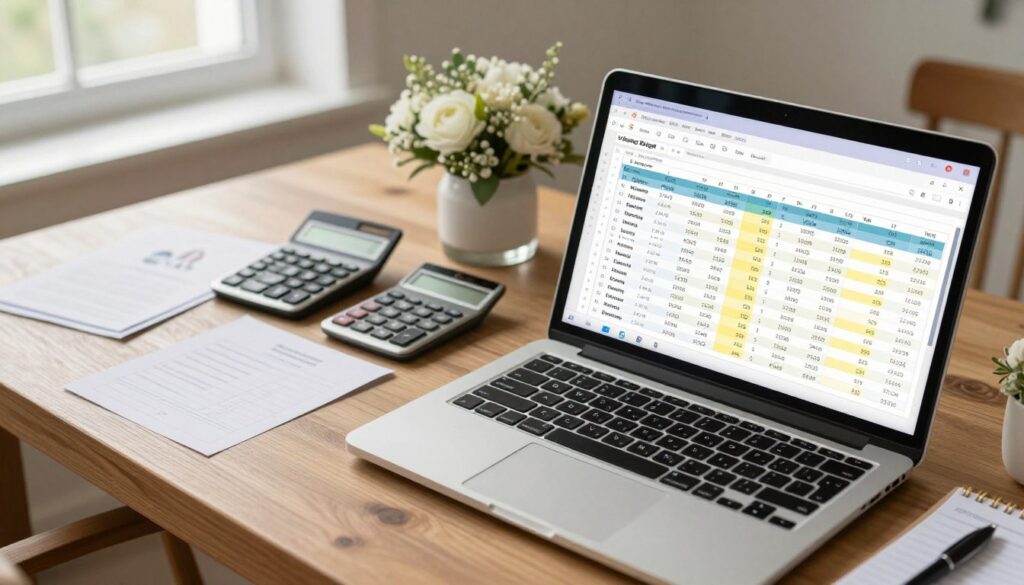
Once you start booking vendors, you need a reliable way to monitor every dollar spent. Keeping a consistent record of your financial commitments is the best way to stay on track throughout your engagement. A dedicated wedding budget spreadsheet helps you manage your payment schedules and upcoming deadlines.
Organizing Your Payments and Due Dates
A central document lets you list every vendor, the total cost, and due dates. It acts as your primary wedding expense tracker, ensuring no payment is missed. You’ll feel more confident knowing when money needs to be paid.
“Financial peace of mind comes from knowing exactly where your money is going, rather than wondering where it went.”
Updating Your Estimates as You Book Vendors
When you finalize contracts, update your wedding budget calculator with the actual costs. This helps you compare your initial projections with real prices. If a vendor charges more, you can adjust other categories to stay within your budget.
Regularly reviewing your wedding budget spreadsheet keeps you informed about your remaining budget. Using a digital wedding expense tracker makes your planning process clear and organized. By keeping your wedding budget calculator up to date, you avoid financial surprises as your big day gets closer.
Strategies for Saving Money Without Sacrificing Quality
Having your dream wedding doesn’t mean you need to spend a lot. By making intentional choices, you can have a beautiful wedding that shows who you are. A good wedding budget planner helps you see where your money goes and where you can save.
Off-Peak Wedding Dates and Times
Choosing a non-traditional date can save you money. Venues often give big discounts for Friday or Sunday weddings and off-peak dates. A winter or early spring date can also lower your costs.
Think about having a brunch or afternoon reception instead of a dinner. These times are cheaper for food and drinks. Your wedding budget spreadsheet will be easier to manage with these choices.
Curating Your Guest List Wisely
The number of guests greatly affects your budget. Each guest adds to the cost of food, rentals, and invitations. Choosing close friends and family makes your wedding more intimate and meaningful.
Be clear about who should attend your wedding. Cutting your guest list by just a few can save thousands. This extra money can go towards better photography or flowers without increasing your total cost.
DIY Projects That Actually Save Money
DIY projects can add a personal touch, but pick wisely. Choose tasks that use your skills or buy in bulk. Making signs, table numbers, or favors is often cheaper than buying them.
But, avoid DIY projects that cost too much or take too much time. If a DIY project costs more than hiring a pro, it’s not saving you money. Always check your wedding budget spreadsheet to make sure you’re saving.
| Strategy | Potential Savings | Effort Level |
|---|---|---|
| Off-Peak Date | High | Low |
| Smaller Guest List | Very High | Medium |
| DIY Decor | Medium | High |
| Brunch Reception | High | Medium |
Communicating with Vendors About Your Budget
Starting a good relationship with your wedding team means talking openly about money. Many couples worry about money talks, but being honest is key. Using your wedding budget tool makes these talks easier and clearer.
How to Be Transparent About Your Limits
Being honest is the best way to keep your spending in check. When you talk to vendors, share your budget early. This saves time and helps you find the right fit for your budget.
Here are some tips for a smooth chat:
- Share your budget range right away.
- Ask if they have packages that fit your specific budget.
- Explain what matters most to you so they can suggest the best options.
Negotiating Packages and Customizing Services
After setting a budget, you can look for the best value. Many vendors are willing to adjust their services to meet your needs. If a package has things you don’t want, ask for a custom quote.
Keep your wedding expense tracker up to date. This lets you negotiate better and get services that really matter. Negotiation is about working together to create a beautiful day that fits your life.
“Effective communication with your vendors is the foundation of a stress-free planning experience.”
Always check your wedding budget tool after each meeting. This keeps your records accurate. Being organized helps you make smart choices as you finalize your plans. With a proactive approach, you can enjoy your wedding day knowing you made wise choices.
Choosing the Best Color Palette for Your Theme
Your wedding color palette is the visual heart of your big day. Picking the right colors is a key step in making your event look beautiful and true to you.
Choosing colors carefully sets a mood that goes through every part of your day. This makes sure your decor, clothes, and flowers all work together well.
Understanding Color Theory for Weddings
Color theory shows how colors work together to create feelings. You can use a color wheel to find colors that match or contrast well. This can make your decor feel soothing and elegant.
“Color is a power which directly influences the soul.”
When picking a main color, add a neutral one to keep things balanced. This trick stops your design from feeling too much, while still looking classy.
Matching Your Palette to Your Venue and Season
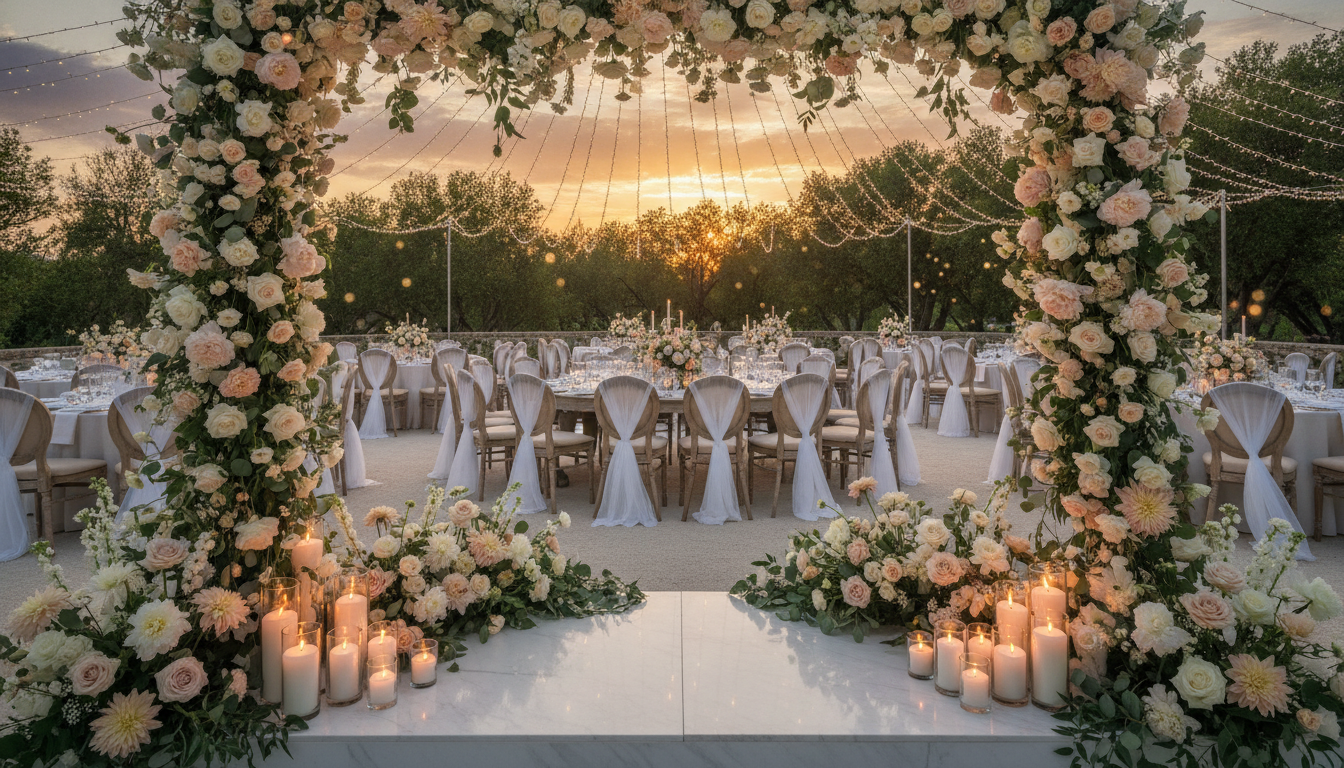
Your venue helps pick the best colors for your event. For an outdoor garden wedding, soft pastels or earthy greens are perfect.
But, indoor ballrooms might need bolder, metallic, or deep jewel tones for drama. Think about the natural light and decor of your space before you decide.
The season also matters. Warm tones are great for autumn, while light, airy colors are refreshing in spring or summer.
Creating a Cohesive Look on a Budget
You don’t need a big budget for a fancy look. The trick is to pick a versatile color palette that makes a big impact with fewer items.
Stick to two or three main colors and use them everywhere. This makes your event feel luxurious without spending too much on extra decor.
By keeping things simple, every item you buy has a purpose. This intentional approach helps you stay within your budget while still looking great.
Conclusion
Planning your wedding is a big step in your life. It gets easier with smart tools and clear financial plans.
You now know how to handle your wedding budget with confidence. Being organized lets you enjoy the excitement of your wedding instead of worrying about money.
Make sure your wedding reflects what’s important to you. Talk to your vendors to find the best services for your needs.
Use these tips to pick a color scheme that shows off your style. Your wedding should be a true reflection of you, all while keeping your budget in check.
Review your wedding budget spreadsheet today. Share your progress with your partner to stay on the same page.
We hope this guide helps you plan a memorable wedding. Enjoy every part of your planning journey as you get ready for your big day.